

Property Investment in Mumbai: What Buyers Should Evaluate in 2027
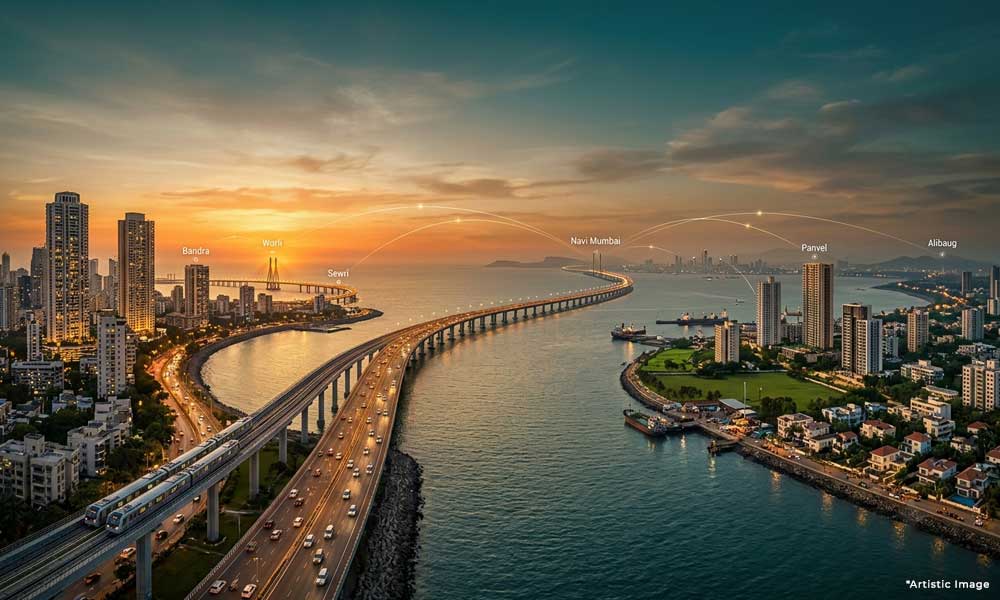
Property investment in Mumbai in 2027 requires looking beyond the purchase price. As infrastructure reshapes the Mumbai Metropolitan Region (MMR), buyers must evaluate connectivity, developer credibility, local demand and the potential for long-term value.
From established markets such as Powai Versova and Bandra to emerging destinations such as Panvel and Alibaug, understanding what drives each location can help investors make informed decisions.
Location and Connectivity
Location remains central to any Mumbai property investment, but the city's growth is expanding the range of opportunities.
Established markets such as Powai, Bandra and Versova offer mature infrastructure and lifestyle ecosystems, while Navi Mumbai and Panvel are attracting attention as emerging growth corridors. For investors, the focus should be on how well a property connects to employment hubs, transport networks and everyday conveniences.
Mumbai 3.0: Infrastructure and Future Growth
Mumbai 3.0 represents the next phase of urban expansion across Navi Mumbai and Panvel. The broader MAHA Mumbai vision includes significant infrastructure investment aimed at strengthening regional connectivity and economic development.
Key MMR growth indicators include:
- $50 billion: Infrastructure investment target by 2030
- $300 billion: Target economy by 2030
- 2 international airports: Mumbai and Navi Mumbai
- 337 km: Planned metro network across 14 lines
- 21.8 km: Atal Setu, connecting Sewri and Nhava Sheva
- 614 km: Planned ring road network, comprising two 307 km loops
- Virar–Alibaug Multimodal Corridor — regional road connectivity
- Panvel–Karjat Suburban Rail Corridor — suburban rail connectivity
These developments could improve regional accessibility and support economic activity. For investors, the important consideration is how infrastructure translates into practical connectivity, employment and housing demand.
Developer Track Record and Credibility
A developer's delivery history, construction quality and ability to build lasting communities are important considerations for long-term property investment in Mumbai.
Built on a 45+ year legacy of Hiranandani Communities, the brand has shaped landmark residential communities defined by thoughtful planning, enduring quality and a vision for better living. With a portfolio associated with 22,000+ happy families, Hiranandani Communities presence spans key markets including Powai, Thane, Panvel, Bandra and Alibaug, reflecting a legacy of creating distinctive addresses across established neighbourhoods and emerging growth destinations.
This experience spans established destinations and emerging growth corridors, offering homebuyers different residential and lifestyle propositions.
Demand, Liveability and Lifestyle
Long-term property demand depends on more than location. Existing communities, social infrastructure and lifestyle amenities can influence a property's appeal to both homebuyers and tenants.
At Hiranandani Fortune City, Panvel, 2,000+ families already reside within the township, with 4,000+ residences sold. Its established residential communities, functional school, retail, commercial spaces and recreational facilities reflect the importance of an evolving neighbourhood ecosystem.
Bandra Bay represents the evolving appeal of Bandra’s coveted coastal stretch, where the city’s vibrant lifestyle meets the tranquillity of the sea. Building on this location’s distinctive character, Bay Heights brings a contemporary residential offering to Bandra, with thoughtfully designed sea-facing residences that combine coastal views, urban connectivity and premium living.
Meanwhile, Alibaug real estate appeals to buyers seeking second homes and coastal living. At Hiranandani Sands, the 225-acre integrated coastal township brings together residential plots, serviced apartments and lifestyle experiences, including watersports. The first serviced-apartment edition sold out within a day, with the next edition coming soon.
Price vs Long-Term Value: Panvel's Growth
One of the key considerations in property investment in Panvel is how prices have evolved alongside infrastructure development.
Based on the indicative figures provided, property values have moved from approximately ₹6,800 per sq. ft. in 2015 to ₹17,000 per sq. ft. in 2026. This represents an increase of around 150%, with values reaching approximately 2.5 times their earlier level.
However, past appreciation does not guarantee future returns. Buyers should compare current prices, property specifications, infrastructure accessibility, rental demand and the overall quality of the development before investing.
What Makes a Good Property Investment in Mumbai in 2027?
The right investment depends on an individual's budget, risk appetite and investment horizon. Evaluating location, infrastructure, developer credibility, liveability and market demand together offers a more balanced approach than relying on price appreciation alone.


